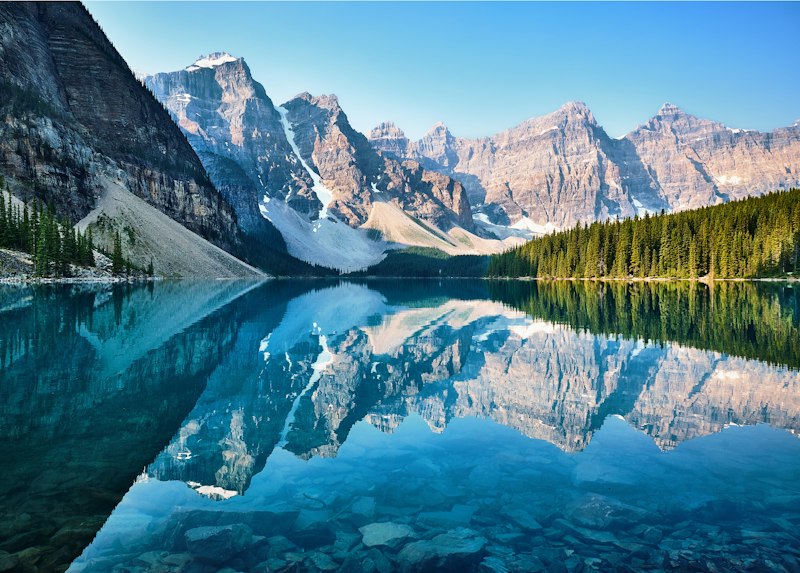
Alaska offers 730 campgrounds spread across a state that covers more than 663,000 square miles. Most camping here is public land, managed by the BLM, USFS, and National Park Service. The season is short (roughly mid-May through mid-September for most sites), but the payoff is unmatched: 20-plus hours of daylight in summer, salmon rivers, glaciers you can walk to, and wildlife that includes grizzlies, moose, and caribou. Whether you want a primitive site on the Dalton Highway or an RV park near town, the options cover every experience level.
Best Campgrounds on the Kenai Peninsula
The Kenai Peninsula is the most accessible camping region in Alaska, reachable by a two-hour drive south from Anchorage. It combines ocean coastline, river valleys, and mountain scenery in a compact area.
Russian River sits at the confluence of the Russian and Kenai Rivers, offering 83 sites with vault toilets, fire rings, a boat ramp, and direct fishing access. This is one of the premier salmon fishing campgrounds in the state. Sockeye and silver salmon runs draw crowds in July and August, so plan to arrive early.
Ptarmigan Creek provides a quieter alternative near Kenai Lake at 476 feet elevation. The USFS campground has vault toilets, fire rings, picnic tables, and firewood available. Late summer brings spawning red salmon to the creek, and the surrounding Chugach Mountains offer hiking and wildlife viewing.
Trail River sits between the Trail River and Kenai Lake in the Chugach National Forest. This free campground includes a playground, vault toilets, fire rings, and access to both fishing and hiking trails. Its location between Seward and Cooper Landing makes it a solid base for exploring the central Kenai.
Kenai Fjords National Park Cabins offer a remote experience accessible only by boat or floatplane from Seward. The Holgate and Aialik Bay cabins sit on bluffs overlooking cobble beaches with views of calving glaciers. This is backcountry camping that requires advance planning for transportation.
Best Campgrounds in Denali National Park
Denali is the centerpiece of Alaska camping. The park road stretches 92 miles into the wilderness, and campgrounds are spaced along it at increasing distances from the entrance.
Denali NP - Riley Creek Campground is the most accessible option, located near the park entrance. It operates year-round, making it one of the few Denali campgrounds available outside the summer window. The boreal forest setting provides a functional staging point for bus trips deeper into the park.
Denali NP - Savage River Campground at mile 13 of the park road offers sweeping views of the Alaska Range. This is the last campground accessible by private vehicle, making it popular with tent campers and car campers who want scenery without the bus requirement.
Denali NP - Teklanika River Campground at mile 29 requires a three-night minimum stay for RV drive-in access. The deeper location means fewer people and better wildlife viewing opportunities. Campers receive a road travel permit, allowing them to drive their vehicle in and out once during their stay.
Denali NP - Wonder Lake Campground at mile 85 is tent-only and offers the closest campground views of Denali (formerly Mount McKinley) on clear days. Access requires a multi-hour bus ride. This is primitive camping with no amenities, so bring everything you need.
Best BLM and Free Camping
Alaska's BLM campgrounds are among the best in the national system. Many are free or charge minimal fees, and they sit along the state's most scenic highways.
Brushkana Creek Campground at milepost 104.5 on the Denali Highway offers free dispersed camping with 22 sites. Amenities include fire rings, picnic tables, bear-proof lockers, and potable water. The Denali Highway itself is one of Alaska's most scenic drives, with views of the Alaska Range stretching in every direction.
Arctic Circle Campground on the Dalton Highway provides free camping at the exact latitude of the Arctic Circle. Recently renovated, the 19 sites include vault toilets, a dump station, fire rings, and access to hiking and biking trails. This is a natural stopping point for travelers heading to Prudhoe Bay.
Cripple Creek Campground along the Chatanika River on the Steese Highway features 12 accessible campsites and six walk-in sites. Fire rings, picnic tables, fishing access, and an interpretive trail are included for $12 per night. The riverside setting offers a quiet base for exploring the interior.
Mount Prindle Campground in the White Mountains National Recreation Area sits at 2,487 feet with 13 sites. A dump station, firewood sales, fishing, and hiking access (including the Quartz Creek trail) round out the amenities. Gold panning in nearby Nome Creek is a popular activity. Sites cost $12 per night.
For more no-cost options, see free camping in Alaska.
Best Campgrounds in Southcentral Alaska
The region between Anchorage, Valdez, and the Matanuska Valley offers campgrounds that combine accessibility with mountain and glacier scenery.
Williwaw Campground in the Portage Valley is one of the few USFS campgrounds in Alaska with electric hookups. Located near Portage Glacier, it offers vault toilets, picnic tables, fishing, and a network of hiking and biking trails. The Williwaw Salmon Viewing Area adjacent to the campground lets visitors watch spawning salmon each August.
Porcupine Cabin near the historic town of Hope provides a two-story USFS cabin rental with views of Turnagain Arm and the surrounding Chugach and Kenai Mountains. The cabin sits within Porcupine Campground, which offers vault toilets, fire rings, firewood, and trail access. Nightly fees start at $10.
Bertha Creek Campground is a free, 12-site USFS campground with vault toilets, fire rings, and access to hiking and bike trails. It operates year-round on a first-come, first-served basis, making it a reliable option for spontaneous trips through the region.
Check our full RV parks in Alaska list for private options with hookup filtering.
Best Time to Camp in Alaska
Late May through early June: Campgrounds begin opening as snow recedes. Daylight reaches 18 to 20 hours. Rivers are high from snowmelt, and mosquitoes are building. Crowds are light, and many campgrounds still have open sites without reservations.
Mid-June through July: Peak season. Salmon runs begin on the Kenai Peninsula and throughout southcentral Alaska. Daylight peaks at 22 hours around the summer solstice in Fairbanks. Popular campgrounds like Russian River fill quickly. Reserve well ahead for Denali.
August: Berry season begins, and bears become very active in preparation for winter. Salmon runs continue on many rivers. Nights grow noticeably darker, and fall colors start appearing at higher elevations. This is often the best month for photography.
September: Most public campgrounds close by mid-September. The northern lights become visible again as nights return. A few campgrounds (Riley Creek in Denali, some BLM sites) remain open, but services are limited and temperatures drop below freezing at night.
Tips for Camping in Alaska
Bears are everywhere. Alaska has both black bears and grizzlies. Store all food, trash, and scented items in bear-proof containers or lockers. Many campgrounds provide bear boxes. Carry bear spray and know how to use it.
Mosquitoes and no-see-ums are serious. From early June through mid-August, insects can be intense, especially near standing water. Bring a headnet, bug spray with DEET, and a tent with fine mesh. Breezy campsites on ridges or near the coast offer some relief.
Distances are vast. Driving between campgrounds can take hours on roads with no services. Fill your gas tank at every opportunity, and carry extra fuel on remote highways like the Dalton, Denali, and Steese. Cell service is unavailable on most rural roads.
Water treatment is essential. Even in areas with clear streams, giardia is present throughout Alaska. Boil, filter, or treat all water from natural sources.
Frequently Asked Questions
When do Alaska campgrounds open?
Most public campgrounds open between mid-May and early June, depending on snow conditions and road access. Campgrounds along the Kenai Peninsula and near Anchorage tend to open first. Remote sites on the Denali Highway and in the interior may not open until June. A few locations, like Riley Creek in Denali National Park, operate year-round.
Can I camp for free in Alaska?
Yes. BLM campgrounds like Brushkana Creek and Arctic Circle Campground are free. Trail River on the Kenai Peninsula is also free. Beyond designated campgrounds, dispersed camping is allowed on most BLM and national forest land in Alaska. Follow Leave No Trace principles and check for area-specific restrictions.
What is the best campground near Anchorage?
Williwaw Campground in the Portage Valley is about an hour south of Anchorage and offers electric hookups, fishing, and glacier access. For the Kenai Peninsula, Russian River and Ptarmigan Creek are roughly two to three hours from the city. Chena River Park near Fairbanks serves travelers in the interior.
Do I need bear canisters in Alaska?
Bear canisters are required in some backcountry areas, including parts of Denali National Park. Most developed campgrounds provide bear-proof food lockers or dumpsters instead. In the backcountry, hard-sided canisters or proper bear hangs are essential. Check regulations for your specific destination before you go.
How long is the Alaska camping season?
The practical camping season runs from late May through mid-September for most campgrounds. A handful of sites stay open year-round, but winter camping in Alaska requires specialized gear rated for temperatures well below zero. Daylight drops to fewer than six hours by December in Fairbanks, making winter camping a commitment best suited for experienced cold-weather campers.
Keep Reading
Best Campgrounds in Arizona: Top Spots for Camping
Explore the best campgrounds in Arizona, from desert BLM sites and pine forest retreats to Grand Canyon camping across 800 locations statewide.
Read articleBest Campgrounds in California: Top Spots for Camping
Discover the best campgrounds in California, from Sierra Nevada forests to desert valleys and coastal retreats across 1,941 locations.
Read article