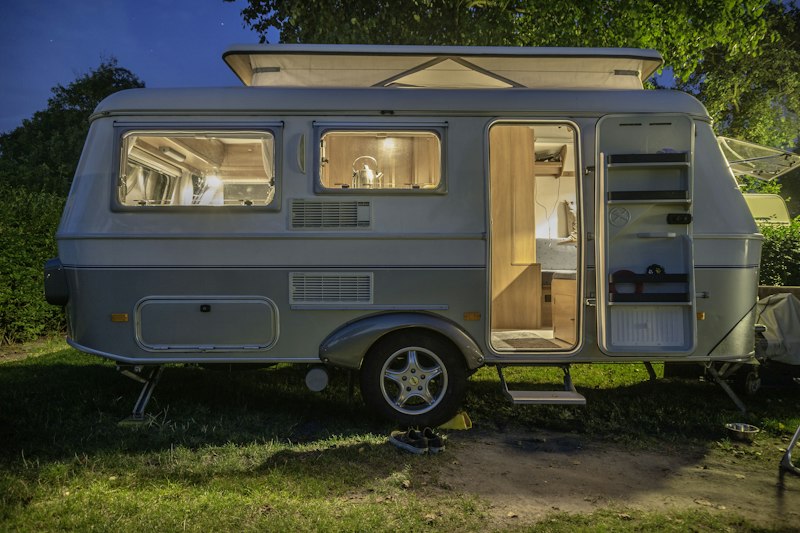
California has more campgrounds than any other state, and the variety is staggering. From alpine lakes at 10,000 feet to the lowest point in North America at Furnace Creek, you can pitch a tent in redwood forests, Joshua Tree desert, or along 840 miles of coastline. With 1,941 campgrounds in our directory, including 748 national forest sites, 519 RV parks, and 178 BLM campgrounds, there is a campsite for every budget and experience level.
Best National Forest Campgrounds
California's national forests hold the largest share of public campgrounds in the state, and many of them sit in prime mountain terrain with minimal crowds.
Meeks Bay Resort on Lake Tahoe's west shore offers full hookups at 6,237 feet of elevation, with showers, flush toilets, and direct beach access. Sites start around $10/night, making it one of the more affordable Tahoe-area options with hookups. The resort operates year-round, though summer weekends fill fast.
Dogwood in San Bernardino National Forest provides electric hookups, showers, and cabin rentals at 5,720 feet. It serves as a solid base camp for Big Bear Lake activities without the premium pricing of private resorts near the water.
Wench Creek sits on Union Valley Reservoir in Eldorado National Forest at 4,898 feet. Electric hookups, a boat ramp, and vault toilets make this a good fit for families who want to combine camping with lake recreation. Group sites are available for larger parties.
Best Desert Campgrounds
California's desert campgrounds offer solitude, dark skies, and year-round access that mountain sites cannot match during winter months.
Furnace Creek Campground in Death Valley sits 196 feet below sea level, the lowest-elevation campground in the Western Hemisphere. Full hookups, flush toilets, and a dump station make it RV-friendly despite the remote setting. Visit October through April to avoid triple-digit heat. Hiking trails lead to natural springs and historic mining sites.
Tuttle Creek Campground is a BLM site near Lone Pine with 83 sites at 5,063 feet, sitting in the shadow of Mount Whitney. At $10/night with a dump station and fire rings, this is where climbers stage before Whitney Portal and where photographers come for Alabama Hills sunrises.
Horton Creek Campground near Bishop offers 49 BLM sites at 5,055 feet along Horton Creek. Fishing access, hiking trails, and dump station facilities at $10/night. The Eastern Sierra location puts you within striking distance of Mammoth Lakes, Hot Creek, and the Ancient Bristlecone Pine Forest.
Best Free and Dispersed Camping
California has nine designated dispersed camping areas on BLM land where you can camp for free or minimal cost.
South Cow Mountain OHV Management Area near Ukiah offers free primitive camping with vault toilets, fire rings, and hiking trails. Popular with OHV riders, but the northern sections are quiet enough for tent campers who want solitude without driving hours from the Bay Area.
Knoxville Management Area provides free dispersed camping with vault toilets, potable water, and fishing access. Year-round access makes this a reliable option when reservable campgrounds are booked solid. Self-sufficient campers will appreciate the lack of crowds and the rolling oak woodlands.
South Yuba Recreation Area sits 10 miles from Nevada City with primitive sites, vault toilets, and access to the South Yuba River for fishing and swimming. The Gold Country setting and proximity to town make it a good choice for campers who want a dispersed experience without being completely off-grid.
For more options, see free camping in California.
Best RV Parks and Full Hookup Sites
California's 519 private RV parks range from bare-bones overnight stops to resort-style destinations with pools, laundry, and WiFi.
Island Park on Pine Flat Lake offers water and electric hookups with flush toilets, boat ramp, and year-round access. Army Corps-managed, so prices stay lower than private alternatives in the area. Group camping is available.
For RV travelers who need full hookups (electric, water, and sewer), Meeks Bay Resort on Lake Tahoe and Furnace Creek in Death Valley both deliver, with dramatically different scenery and elevation. Check our RV parks in California page for the complete filtered list.
Best Lakeside Campgrounds
Water-adjacent camping is California's sweet spot. The state's reservoirs, alpine lakes, and river corridors provide some of the most scenic sites in the West.
Englebright Lake Boat-In Campground is only accessible by boat, which means fewer neighbors and more shoreline. Vault toilets and fire rings at 562 feet of elevation. Bring everything you need because there are no hookups or services at the sites.
Wildcat Recreation Area Campground on Eastman Lake at 702 feet offers showers, fire rings, picnic tables, fishing access, and hiking trails. Known for trophy bass fishing, this is a good shoulder-season destination when higher-elevation lakes are still cold.
Best Time to Camp in California
California's size and terrain create multiple camping seasons depending on where you go.
Spring (March through May) is ideal for desert camping at lower elevations. Wildflowers peak in Death Valley and Anza-Borrego. Higher-elevation forest campgrounds begin opening in late April and May.
Summer (June through September) is peak season for the Sierra Nevada, Lake Tahoe, and mountain campgrounds above 4,000 feet. Desert campgrounds are dangerously hot. Coastal sites are crowded but pleasant. Reserve national forest campgrounds at least two months ahead for summer weekends.
Fall (September through November) is the best time for experienced campers. Mountain campgrounds thin out, temperatures moderate in the desert, and the Eastern Sierra puts on a fall color show. Many forest campgrounds close by mid-October.
Winter (December through February) narrows your options to desert campgrounds, low-elevation BLM land, and coastal sites. Furnace Creek, Joshua Tree, and Anza-Borrego are at their best.
Tips for Camping in California
Fire restrictions are serious. California bans campfires during high fire danger periods across most public land. Check the current fire restrictions for the specific national forest or BLM district before you go. Violations carry steep fines.
Reservations fill months ahead. Popular campgrounds in Yosemite, Big Sur, Lake Tahoe, and Joshua Tree book out the day reservations open. Set calendar reminders for the booking window (typically five months ahead on Recreation.gov).
Elevation changes everything. A campground at 3,000 feet and one at 8,000 feet in the same county can have a 30-degree temperature difference. Check elevation before packing.
BLM land is your backup plan. When every reservable campground is full, California's BLM sites operate first-come, first-served. The Eastern Sierra and Central Coast have the highest concentration.
Frequently Asked Questions
Where can I camp for free in California?
California has dispersed camping on BLM land in the Eastern Sierra, Central Coast, and northern regions. Areas like South Cow Mountain and Knoxville Management Area offer free primitive camping with basic amenities. National forest land also allows dispersed camping in many areas, typically requiring only that you camp at least 100 feet from water and roads.
What is the best campground in California for RVs?
That depends on your rig size and hookup needs. For full hookups with scenery, Meeks Bay Resort on Lake Tahoe and Furnace Creek in Death Valley are strong choices. For shorter stays with electric hookups, Dogwood in San Bernardino National Forest and Wench Creek on Union Valley Reservoir deliver mountain settings at lower cost.
When do California campgrounds open for the season?
Low-elevation campgrounds (below 4,000 feet) and desert sites operate year-round. Mountain campgrounds in the Sierra Nevada and Cascades typically open between late April and mid-June depending on snowpack, and close between mid-September and late October. Check the specific forest district for exact dates.
Do I need a reservation to camp in California?
Not always. BLM campgrounds and dispersed camping areas are first-come, first-served. Many national forest campgrounds accept reservations through Recreation.gov but also hold some first-come sites. Private RV parks and popular national park campgrounds (Yosemite, Sequoia, Joshua Tree) require reservations, especially May through September.
How much does camping cost in California?
Federal campgrounds (USFS, BLM) typically charge $10 to $35 per night. National park campgrounds run $20 to $45. Private RV parks with full hookups range from $40 to $90+ per night. Dispersed camping on BLM and national forest land is often free.
Keep Reading
Best Campgrounds in Alaska: Top Spots for Camping
Explore the best campgrounds in Alaska, from Denali National Park to the Kenai Peninsula, across 730 locations statewide.
Read articleBest Campgrounds in Arizona: Top Spots for Camping
Explore the best campgrounds in Arizona, from desert BLM sites and pine forest retreats to Grand Canyon camping across 800 locations statewide.
Read article