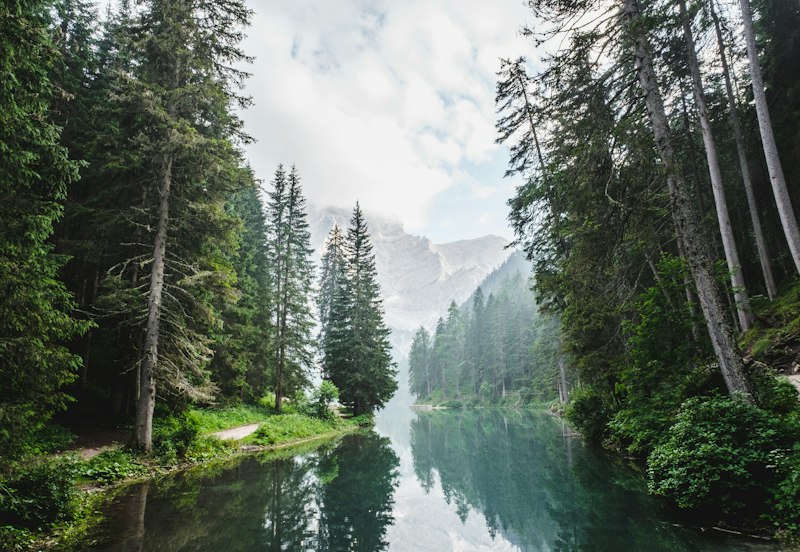
Utah holds 754 campgrounds spread across five national parks, six national forests, millions of acres of BLM land, and dozens of state-managed sites. The geography ranges from 2,000-foot desert canyons to 13,000-foot alpine peaks, giving campers access to red rock landscapes, high mountain lakes, and everything between. Whether you want a primitive site on the Colorado Plateau or a developed campground with flush toilets near the Wasatch Front, this guide covers the best options by region and style.
Best Campgrounds in the Uinta Mountains
The Uinta Mountains in northeastern Utah contain the highest concentration of alpine campgrounds in the state. Most sit between 8,000 and 10,500 feet, offering cool summer temperatures and direct access to lakes, streams, and wilderness trails.
Butterfly Campground sits at 10,318 feet on the Mirror Lake Scenic Byway. The campground borders its namesake lake, which is restricted to non-motorized watercraft. Water hookups are available, though there are no electrical connections. Fishing, hiking, and kayaking are the main draws. Sites run $10 per night.
Lilly Lake Campground at 9,926 feet provides access to three alpine lakes: Lilly Lake, Lost Lake, and Teapot Lake. The 14 paved sites each include a fire ring and picnic table. Vault toilets and water are provided. Anglers will find rainbow, cutthroat, and brook trout across the three lakes.
Moon Lake Guard Station at 8,146 feet on the southern slopes of the Uintas is one of the better-equipped mountain campgrounds in the state. Flush toilets, showers, fire rings, fishing access, and hiking trails make this a strong choice for families and beginners. The two-mile-long Moon Lake supports both motorized and non-motorized boating.
Best Campgrounds Near National Parks
Utah's five national parks draw millions of visitors each year. Campgrounds inside and near these parks fill quickly, so plan ahead.
North Campground at Bryce Canyon sits at 7,928 feet directly across from the Visitor Center. With 99 sites across four loops, it is the largest campground in the park. Loops A and B accommodate RVs, while C and D are better for tents. A seasonal dump station and camp store are on site. First come, first served only, so arrive early in summer.
Kings Creek at 7,962 feet occupies the western shore of Tropic Reservoir, a short drive from Bryce Canyon. The Fremont ATV trail passes within a quarter mile, and a boat ramp provides direct water access. Flush toilets and picnic tables are available. This is a solid alternative when Bryce Canyon campgrounds fill up.
Halls Crossing RV & Campground near Lake Powell at 3,815 feet offers year-round access to the Glen Canyon National Recreation Area. Visitors can arrive via the ferry service from Bullfrog Marina. ADA accessible facilities and a nearby village store make this a convenient base for exploring the lake.
Best Campgrounds Along the Wasatch Front
The Wasatch Range, running north to south through the center of the state, puts mountain camping within 30 minutes of Salt Lake City, Ogden, and Provo. These campgrounds offer quick escapes from urban areas.
Albion Basin at 9,497 feet in Little Cottonwood Canyon is one of the highest-elevation campgrounds accessible from the Salt Lake Valley. The site sits in groves of white pines and aspens, with trail access to Cecret Lake and Catherine Pass. Vault toilets, fire rings, and picnic tables are provided. No hookups. Best for tent campers comfortable with mountain conditions.
Ledgemere Picnic Area in Big Cottonwood Canyon at 5,308 feet has 14 sites along Big Cottonwood Creek. Flush toilets, fire rings, and fishing access make it a solid day-trip or overnight destination. The lower elevation means a longer accessible season than the high-altitude sites farther up the canyon.
Mueller Park Group Picnic at 5,458 feet is just five miles from Bountiful. The 13-mile Mueller Park Trail starts here, passing Elephant Rock on the way to Rudy's Flat. Flush toilets and fire rings are on site. Year-round access and proximity to the city make this popular with local hikers and mountain bikers.
Best Campgrounds in Southern Utah
Southern Utah's canyon country and high plateaus offer a distinct camping experience. Elevations vary widely, from 3,500-foot desert floors to 8,800-foot mountain forests.
Oak Creek Rec Site on Boulder Mountain at 8,860 feet provides a high-altitude escape in ponderosa pine forest. The primitive USFS site has vault toilets and trail access but no hookups. It is a good base for exploring the Grand Staircase-Escalante region while staying cool above the desert heat.
Pine Lake Campground at 8,203 feet on the Colorado Plateau sits alongside a lake stocked with rainbow, cutthroat, and brook trout. Canoeing and kayaking are popular here. Vault toilets are available, but the site is primitive with no hookups. Suited for self-sufficient campers who want a quiet setting.
Posey Lake Campground at 8,665 feet offers non-motorized boating and fishing on the lake. The one-mile Posey Overlook Trail provides views of the surrounding plateau, and the Posey Spur Trail connects to the Great Western Trail system. Primitive facilities only.
For budget options, see free camping in Utah.
Best Campgrounds for Fishing and Water Access
Utah's mountain reservoirs and rivers provide some of the best fishing camping combinations in the West.
Currant Creek at 7,913 feet on Currant Creek Reservoir has flush toilets, a dump station, fire rings, a boat ramp, and a trail looping the reservoir. Rainbow, cutthroat, and brown trout make this a top destination for anglers. Firewood is available on site for $10 per night.
Lewis M. Turner Campground at 6,384 feet features 10 sites with fire rings, picnic tables, a boat ramp, and fishing access. Water hookups are available. Hiking and biking trails connect to the surrounding forest. Known for summer wildflower displays.
Card Picnic Area along the Logan River in Logan Canyon at 5,132 feet offers four riverside sites with water hookups. Anglers, tubers, and canoers all use this stretch of the river. Vault toilets and trail access round out the amenities. Year-round access at $10 per night.
Westwater Group Site on the Colorado River at 4,321 feet serves as the put-in for Westwater Canyon and the take-out for the Ruby-Horsethief section. This BLM site has vault toilets, fire rings, picnic tables, and hiking and bike trails. Designed for groups and river runners.
Check our full RV parks in Utah list for sites with full hookups.
Best Time to Camp in Utah
Spring (April through May): Southern Utah desert campgrounds are at their best. Daytime temperatures in the 60s and 70s make hiking comfortable. Higher-elevation sites above 7,000 feet may still have snow and muddy roads into May.
Summer (June through August): Peak season for mountain campgrounds in the Uintas and Wasatch Range. Desert sites below 5,000 feet regularly exceed 100 degrees. Head above 7,000 feet for comfortable temperatures. Afternoon thunderstorms are common in the mountains.
Fall (September through October): One of the best times to camp in Utah. Mountain aspens turn gold, desert temperatures cool to tolerable levels, and crowds thin out significantly. Most campgrounds above 9,000 feet close by late September or early October.
Winter (November through March): Most mountain campgrounds close. Lower-elevation desert sites and some BLM areas remain accessible year-round. Snow camping is possible in the Wasatch and Uintas for experienced winter campers.
Tips for Camping in Utah
Water is scarce in the desert. Carry at least one gallon per person per day for desert camping. Many BLM and dispersed sites have no water sources. Confirm water availability before you leave.
Elevation swings are extreme. You can drive from 4,000 feet to 10,000 feet in under two hours. Pack layers and expect 30-degree temperature differences between desert and mountain camps.
Flash floods are a real threat. From July through September, monsoon storms can turn dry washes into raging torrents within minutes. Never camp in a wash or narrow canyon during storm season.
Check fire restrictions. Utah frequently implements fire bans during dry summer months. Charcoal and wood fires may be prohibited. Bring a camp stove as a backup.
Cell service is limited. Large portions of southern and eastern Utah have no cell coverage. Download offline maps and inform someone of your plans before heading to remote areas.
Frequently Asked Questions
How many campgrounds are in Utah?
Utah has 754 campgrounds listed in our directory, spanning federal campgrounds managed by the USFS and BLM, national park campgrounds operated by the NPS, dispersed camping areas, and private sites. The highest concentration of developed campgrounds is in the Uinta Mountains and along the Wasatch Front corridor.
Can I camp for free in Utah?
Yes. BLM land covers roughly 22 million acres in Utah, and much of it allows dispersed camping at no cost. You can camp up to 14 days in one location before moving. National forest land also permits dispersed camping in many areas. Check local ranger district offices for specific regulations and closures.
What is the best campground near Salt Lake City?
Albion Basin in Little Cottonwood Canyon and Ledgemere in Big Cottonwood Canyon are both under 45 minutes from downtown Salt Lake City. Albion Basin offers high-altitude alpine camping at 9,497 feet, while Ledgemere provides a lower-elevation, creek-side experience. Both fill quickly on summer weekends.
Do I need a reservation for Utah campgrounds?
It depends on the campground. Many USFS campgrounds in the Uintas and along the Wasatch accept reservations through Recreation.gov. National park campgrounds like North Campground at Bryce Canyon operate on a first-come, first-served basis. BLM and dispersed sites generally do not require reservations.
When do mountain campgrounds open in Utah?
Most campgrounds above 8,000 feet open between late May and mid-June, depending on snowpack. High-altitude sites in the Uintas above 10,000 feet may not open until late June or early July in heavy snow years. Lower-elevation sites along the Wasatch Front and in southern Utah are accessible year-round.
Keep Reading
Best Campgrounds in Alaska: Top Spots for Camping
Explore the best campgrounds in Alaska, from Denali National Park to the Kenai Peninsula, across 730 locations statewide.
Read articleBest Campgrounds in Arizona: Top Spots for Camping
Explore the best campgrounds in Arizona, from desert BLM sites and pine forest retreats to Grand Canyon camping across 800 locations statewide.
Read article